Last updated: September 2026
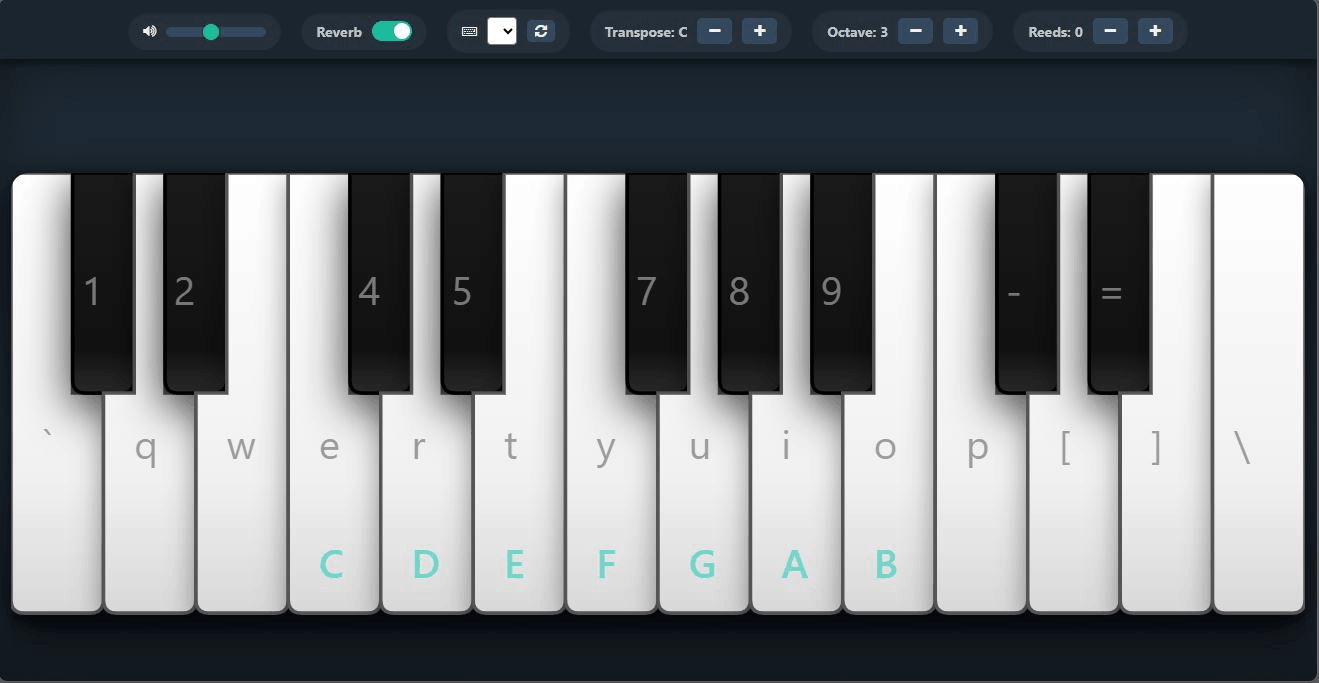
komal swar harmonium is easiest when Sa is steady, swar names are correct, and practice is slow enough to hear. I am Happy Sinha, and when I built Web Harmonium, I wanted Indian classical learners to have a free, no-download harmonium they could use before class, after class, or while travelling. This guide is for singers, bhajan learners, raga beginners, and students who want practical steps with correct theory. You will learn how to apply the topic in daily riyaz, how it connects to sargam, thaat, and raga, and how features like Transpose, Octave shift, Reed control, and the Reverb toggle can support your practice. Sa and Pa are achal swar; Re, Ga, Dha, and Ni may be komal; only Ma can be tivra in the Bhatkhande system. You can follow along using Web Harmonium app — free, no download.
komal swar harmonium works best when Sa is stable, swar names are correct, and practice stays slow enough to hear.
What is komal swar harmonium practice on black keys?
Komal swar harmonium practice means learning the flattened versions of Re, Ga, Dha, and Ni on the keyboard. In Hindustani music, these are vikrit swar, or altered notes. Sa and Pa are achal swar, so they do not become komal. Ma is special because it can become tivra, not komal. This Bhatkhande-system rule is one of the cleanest ways to understand black keys. On Web Harmonium, play shuddha Re and then komal Re, shuddha Ga and then komal Ga, and listen to the emotional shift. Komal notes often create softer, more serious, or more curved melodic colors depending on the raga. Compared with Western flats, komal swar are similar in pitch direction, but Indian classical music teaches them through raga grammar and phrase movement, not only notation.
What is teevra swar harmonium practice and why only Ma changes?
Teevra swar harmonium practice focuses on tivra Ma, the raised form of Ma. Only Ma has a tivra form in the standard Hindustani sargam system. Re, Ga, Dha, and Ni may be komal; Sa and Pa remain fixed; Ma may be shuddha or tivra. Raga Yaman is the classic beginner example because it uses tivra Ma and belongs to Kalyan thaat. When you play Ni Re Ga tivra Ma Pa on Web Harmonium, the raga color becomes bright and expansive. A useful definition: tivra Ma is to Yaman what a signature spice is to a dish; without it, the identity changes. Use Web Harmonium's Octave shift if the phrase sits too high, and keep the Reed control clear so you can hear the exact pitch difference.
Try it now: Open Web Harmonium and practice shuddha Ma and tivra Ma beside each other, then komal Ga against shuddha Ga. No download required.
How do vikrit swar change ragas and thaat names?
Vikrit swar change the identity of thaat and raga. Bilawal thaat uses all shuddha swar, Kafi thaat uses komal Ga and komal Ni, Bhairav thaat uses komal Re and komal Dha, and Kalyan thaat uses tivra Ma. These are accurate Bhatkhande thaat categories, but a raga is more than its scale. Raga Bhairav has a specific andolan-like treatment around komal Re and komal Dha; Raga Kafi has folk-like movement around komal Ga and komal Ni. Web Harmonium helps you hear these differences before you memorize names. Compared with a plain keyboard chart, raga practice adds grammar: which note to approach, where to pause, and which movement sounds natural.
How should beginners practice black keys harmonium without confusion?
Begin with pairs, not full ragas. Play shuddha Ga, then komal Ga, then return to Sa. Sing each note softly. Next compare shuddha Ma and tivra Ma. After that, try small raga phrases: Bhupali uses no Ma or Ni, Yaman uses tivra Ma, and Bhairav uses komal Re and komal Dha. Web Harmonium is useful here because the visual layout, Transpose option, and browser access let you repeat comparisons anywhere. Keep a notebook with three columns: swar name, type, and raga example. Black keys on harmonium are like color swatches; they do not create music alone, but they help you recognize the palette each raga uses.
Frequently asked questions
What are komal swars on the harmonium?
Komal swar on harmonium are the lowered forms of Re, Ga, Dha, and Ni. Sa and Pa do not become komal. Practice them by comparing each komal note with its shuddha form and singing the difference slowly.
What is the teevra swar on the harmonium?
Teevra swar on harmonium refers only to tivra Ma, the raised form of Ma. It is used in ragas such as Yaman and in Kalyan thaat. No other swar has a tivra form in the common Hindustani system.
What does vikrit swar mean on the harmonium?
Vikrit swar means altered swar. Komal Re, komal Ga, komal Dha, komal Ni, and tivra Ma are vikrit. They are essential for understanding thaat, raga color, and why black keys matter in harmonium learning.
What are the names of the black keys on a harmonium?
Black keys usually represent the altered notes between shuddha swar positions, such as komal Re or tivra Ma depending on your chosen Sa. Because Sa is movable, the same physical black key may have a different sargam name after transposition.
Which ragas use komal swars?
Many ragas use komal swar. Bhairav uses komal Re and komal Dha, Kafi uses komal Ga and komal Ni, and Asavari uses komal Ga, Dha, and Ni. The exact raga also depends on movement and emphasis, not only notes.