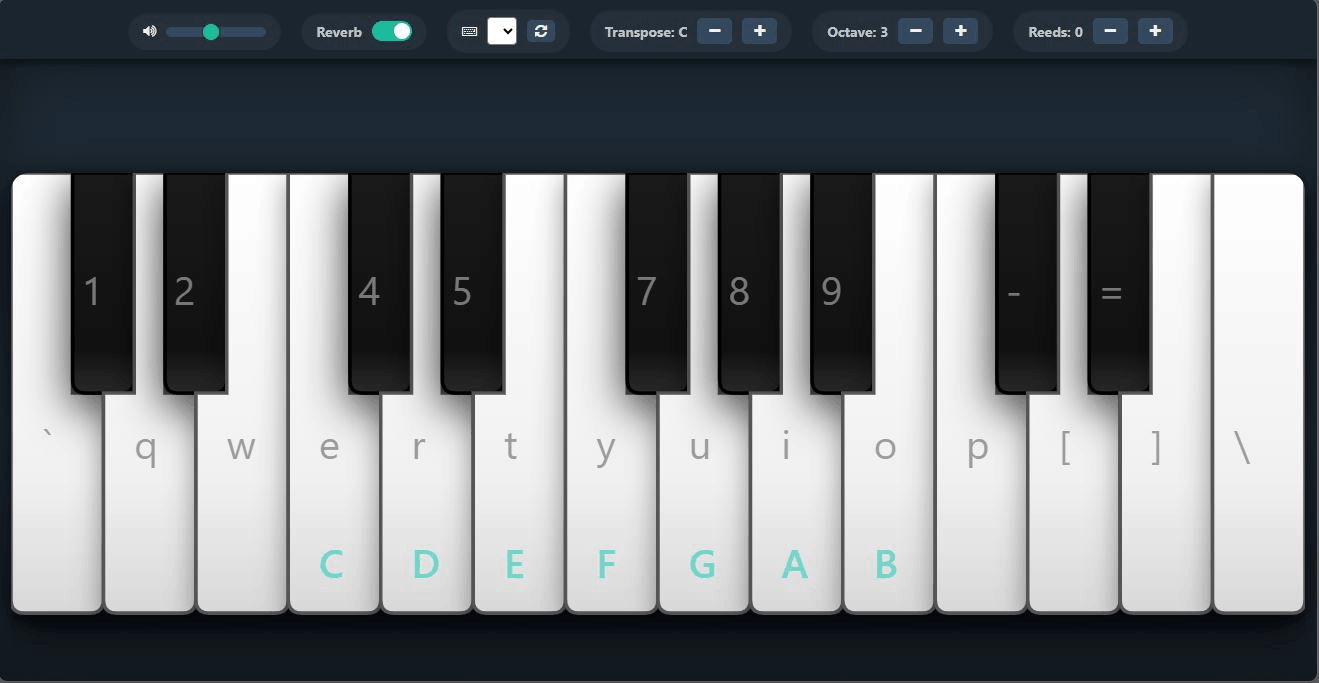
In Indian Classical Music, an **Alankar** (meaning ornament or decoration) is a structured melodic pattern. While basic alankars teach you note placement, **Advanced Alankars** are designed specifically to push your limits of speed, agility, and mental calculation. Repeating these intricate patterns daily re-wires your finger independence and allows you to play rapid classical ornamentations (such as *taans*) smoothly.
Never rush! When learning advanced alankars, start at a slow tempo of 60 BPM. Only increase the speed by 5 BPM when you can play the pattern with zero mistakes, relaxed wrists, and perfect mechanical rhythm 10 times consecutively.
Complex Triplet & Quadruplet Combinations
Standard practice sequences use simple groups of 2 or 4 notes. Adding **Triplets** (groups of three notes squeezed into a single beat) forces your brain and fingers to switch rhythmic pacing rapidly.
1. The Triplet Ascent/Descent (Teen Ka Joda)
This alankar groups three notes. The fingers must roll across the keys in a continuous wave.
Avaroh: (Sa'-Ni-Dha) (Ni-Dha-Pa) (Dha-Pa-Ma) (Pa-Ma-Ga) (Ma-Ga-Re) (Ga-Re-Sa)
Riyaz Tip: Accent the first note of each triplet slightly to lock into the beat. Keep the keystrokes perfectly even.
2. The Quadruplet Wave (Char Ka Joda)
A fast, fluid pattern that runs four notes up, shifts by one step, and repeats. Excellent for physical or virtual keyboard home row speed.
Avaroh: (Sa'-Ni-Dha-Pa) (Ni-Dha-Pa-Ma) (Dha-Pa-Ma-Ga) (Pa-Ma-Ga-Re) (Ma-Ga-Re-Sa)
Vakra Alankars (Zig-Zag Leap Loops)
Straight ascending scales are predictable. **Vakra alankars** introduce jumps and direction reversals (zig-zags). This forces you to cross fingers smoothly and builds exceptional keyboard spatial awareness.
3. The Vakra Loop Alankar
This pattern jumps forward three notes, steps back one, and jumps forward again. It requires high finger independence.
Avaroh: (Sa'-Dha-Ni-Sa') (Ni-Pa-Dha-Ni) (Dha-Ma-Pa-Dha) (Pa-Ga-Ma-Pa) (Ma-Re-Ga-Ma) (Ga-Sa-Re-Ga) (Sa)
4. The Double-Note Repetition (Swar-Dugun)
Quickly double-tapping a note tests your key return action. It requires a loose, spring-like wrist and fast finger release.
Avaroh: (Sa'-Sa' Ni-Ni) (Ni-Ni Dha-Dha) (Dha-Dha Pa-Pa) (Pa-Pa Ma-Ma) (Ma-Ma Ga-Ga) (Ga-Ga Re-Re) (Re-Re Sa-Sa)
The Daily 30-Minute Riyaz Routine
Structure is the key to progress. Here is a daily practice routine used by professional classical students, which can be done on our digital app or a physical harmonium:
| Segment | Focus | BPM Range | Time |
|---|---|---|---|
| Warm-Up | Sustained Long Swars (Kharaj Riyaz) in lower octave. | Drone Only | 5 Mins |
| Rhythmic Alignment | Basic Shuddha Scale ascending and descending. | 60 - 80 BPM | 5 Mins |
| Triplets & Quadruplets | Teen Ka Joda and Char Ka Joda patterns. | 80 - 120 BPM | 10 Mins |
| Dexterity Leaps | Complex Vakra Loops and Swar-Dugun taps. | 70 - 110 BPM | 8 Mins |
| Cool Down | Play a beautiful raga gat or bhajan melody slowly. | Relaxed | 2 Mins |
Frequently Asked Questions
Why do my fingers tense up when I play fast?
Finger tension occurs when you play faster than your current muscle memory can handle. Drop your speed back by 15 BPM, shake out your wrists, and focus on absolute relaxation of your finger joints.
Can I practice alankars on a virtual computer keyboard?
Absolutely! Practicing alankars on Web Harmonium's home row keys (ASDFGHJK) builds excellent finger coordination, timing, and reflex control that translates well to physical instruments.
What scale is best for daily speed practice?
Start with Bilawal Thaat (all natural white keys). Once your fingers are warm, switch to Kalyan Thaat (introducing Teevra Ma) or Bhairav Thaat (Komal Re and Komal Dha) to build spatial flexibility.