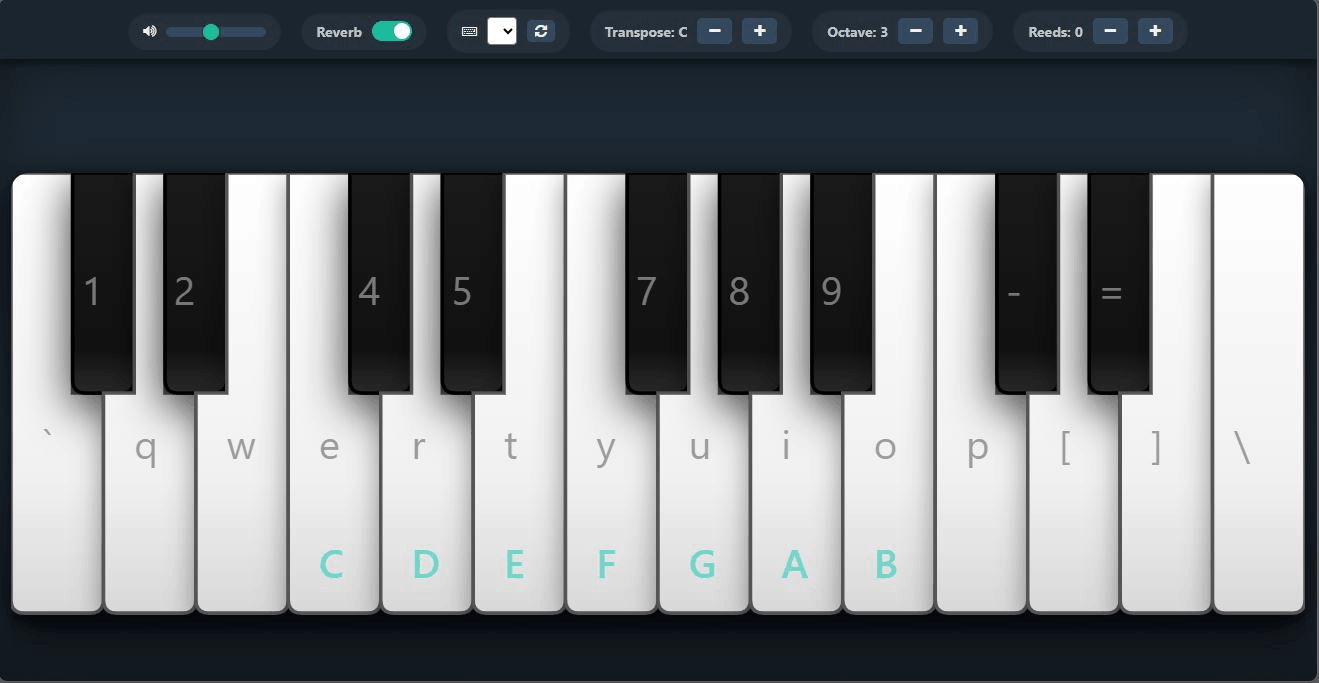
Accompanying a vocalist on the harmonium requires a completely different mindset than playing solo melodies. Instead of competing with the singer's voice, your job is to build a **supportive acoustic bed**. This guide teaches you how to establish classical **Sa-Pa and Sa-Ma drones**, map out easy **three-note triad chords**, and transpose keys to match any vocal range perfectly.
Always prioritize the vocal range of the singer first. Use a sustained tonic drone (Sa-Pa) to anchor the pitch and introduce simple three-note chords only at the beginning of lyrical cycles to provide harmonic direction.
Understanding the Drone (Sur)
In Indian music, a drone is a continuous, unchanging pitch that sounds throughout the entire performance. The drone defines the tonic (Sa) and gives the ears a stable reference point for every melodic note played.
1. The Sa-Pa Drone (Tonic & Perfect Fifth)
This is the standard drone setting for about 85% of classical and devotional music. It uses Sa (the tonic root) and Pa (the perfect fifth).
Sa-Pa Drone Configuration
If you set your Sa to C, the notes are:
Use Case: Perfect for all ragas and bhajan scales that utilize a natural fifth (Pa), such as Bilawal, Kalyan, Khamaj, and Bhairav.
2. The Sa-Ma Drone (Tonic & Perfect Fourth)
When a raga or song completely omits the fifth scale degree (Pa), or uses a highly unstable Pa, you must switch the drone to Sa and Ma (the perfect fourth).
Sa-Ma Drone Configuration
If you set your Sa to C, the notes are:
Use Case: Required for ragas like Malkauns (which has no Pa) or Lalit (where Ma is the dominant melodic pillar).
Devotional Chords (Three-Note Triads)
While traditional Indian classical music is strictly melodic and relies on a drone, light devotional genres like bhajans, kirtans, and ghazals frequently use Western-style chords. The keys should be pressed gently to avoid overpowering the vocalist.
Three Core Triads (Relative to C Natural Sa)
1. Major Tonic Triad (Sa - Ga - Pa)
The standard opening chord. Instantly establishes a bright, devotional, and stable mood.
2. Subdominant Fourth Chord (Sa - Ma - Dha)
Used to build gentle tension, frequently corresponding to a rising lyric or the second part of a bhajan line.
3. Dominant Fifth Chord (Re - Pa - Ni)
Creates strong harmonic tension that resolves beautifully back to the Major Tonic Triad.
Matching Vocal Ranges & Transposing
Male and female vocalists naturally sing in different octaves and keys. A critical step in professional accompaniment is adjusting the harmonium's pitch:
- Typical Male Range: Usually comfortable with Sa set between C# (Black 1) and D# (Black 2).
- Typical Female Range: Comfortably set between G (White 5) and A# (Black 5).
- Transposing on Web Harmonium: If a singer wants to perform in a higher key, you do not need to relearn all your finger patterns. Simply use the Transpose slider in the virtual app. This shifts the underlying audio pitches up or down while letting your fingers play the familiar home-row keys.
Accompaniment Performance Rules
-
Introduce the Scale
Before the vocalist begins singing, play a brief, slow ascending/descending run (Aaroh-Avaroh) of the scale. This helps the singer internalize the key and start right on pitch.
-
Listen More Than You Play
Never play melody keys while the vocalist is actively singing lyrics. Stand back, let the drone maintain the pitch, and play fill-in melodic runs only during the singer's natural pauses.
-
Establish a Constant Pulse
Use very soft chords on the strong beats of the rhythm cycle (the Sam of the taal) to support the percussionist and keep the vocalist locked into the tempo.
Frequently Asked Questions
How do I play a drone on Web Harmonium?
You can toggle on the built-in drone reeds in the interface panel, or hold down the low Sa and Pa keys on your keyboard. If using MIDI, depress the sustain pedal to let the tonic drone ring out.
Should I play major or minor chords on a harmonium?
Devotional songs based on shuddha notes (Bilawal / Kalyan) use major triads (Sa-Ga-Pa). Folk bhajans based on Kafi or Bhairavi use minor triads (Sa-Komal Ga-Pa). Match the chord to the thaat notes of the song.
What should I do if a singer goes off key?
Do not change your scale! Play a slightly louder, steady Sa-Pa drone run. A clear, unwavering drone is the best acoustic guide to help a singer naturally self-correct their pitch.