Last updated: September 2026
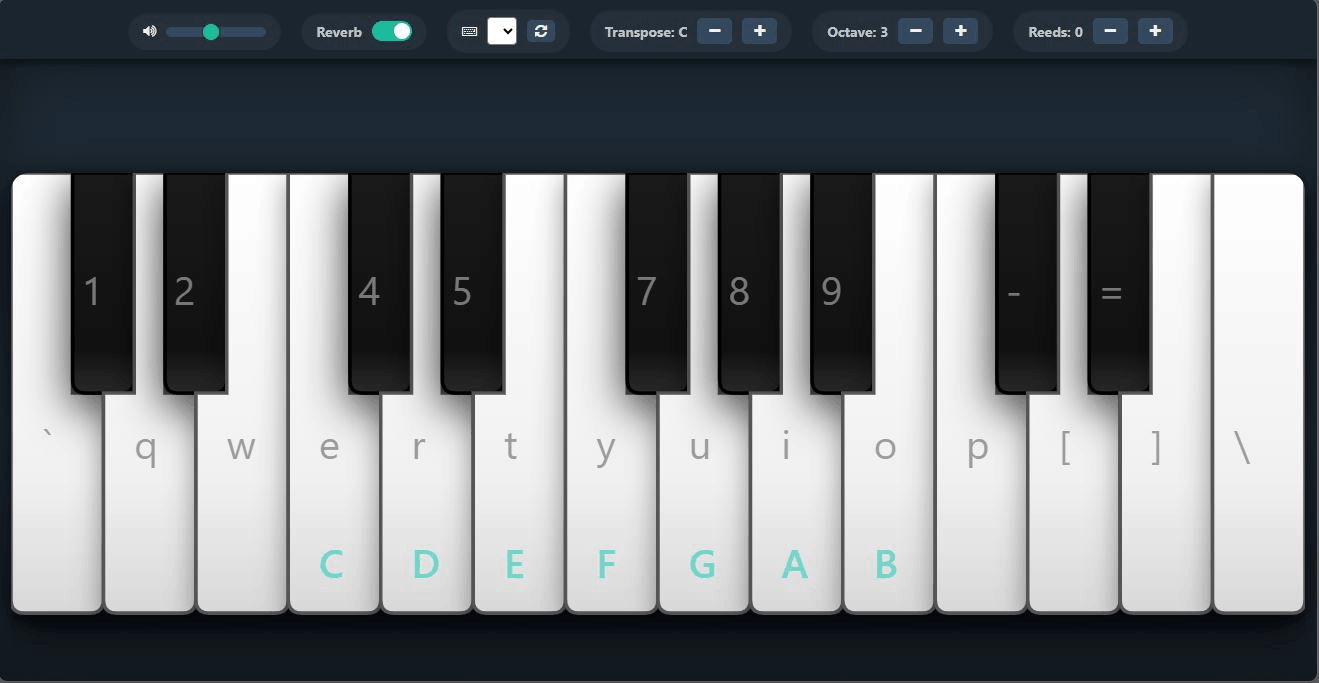
Bhajan harmonium notes are easiest to learn as sargam — Sa Re Ga Ma Pa Dha Ni — written relative to whatever Sa suits your voice. This guide gives you phrase-by-phrase sargam for four bhajans that almost every satsang and family gathering sings: Om Jai Jagdish Hare, Vaishnav Jan To, Raghupati Raghav Raja Ram, and Achyutam Keshavam. All four use mostly natural (shuddha) swars, so they sit comfortably under beginner fingers. You can play every example instantly on the free Web Harmonium — no download, works on phone and PC.
Learn bhajans one phrase at a time: set a comfortable Sa with Transpose, play the phrase, sing it back, then join phrases. Melodies vary by family and region — treat the sargam below as a reliable common version, not the only correct one.
How to read the sargam in this guide
Each table shows one sung line, split into phrases, with the syllables above the swars. Read the swars against your chosen Sa — if your Sa is C, then Re is D, Ga is E, and so on. If any symbol is unfamiliar, keep our sargam notes chart open in a second tab.
| Symbol | Meaning | Example |
|---|---|---|
| Sa Re Ga Ma Pa Dha Ni | The seven swars in the middle octave | Sa = your chosen root key |
| Sa' | Upper octave (taar saptak) | Sa' is one octave above Sa |
| .Dha / .Ni | Lower octave (mandra saptak) | .Ni sits just below Sa |
| ni (small letters) | Komal (flat) swar — a black key | Vaishnav Jan To uses komal ni |
| – | Hold the previous swar one extra beat | Pa – means sustain Pa |
Try it now: open Web Harmonium, press the E key on your computer keyboard (that's Sa in the default layout), and play Sa Re Ga Ma Pa slowly. When those five swars feel steady, you are ready for the first bhajan.
Om Jai Jagdish Hare — harmonium notes in sargam
The universal aarti. It moves stepwise through Sa Re Ga Ma with no komal swars, which makes it the best first bhajan for harmonium. This is the widely sung version; your family's tune may bend a phrase here or there — trust your ear.
| Sung line | Sargam phrase |
|---|---|
| Om jai Jagdish hare | Sa Re Ga – Ga Ga Re Ga Ma Ga Re Sa |
| Swami jai Jagdish hare | Sa Re Ga – Ga Ga Re Ga Ma Ga Re Sa |
| Bhakt jano ke sankat | Ga Ga Ga Ga Ga Re Ga Ma |
| Kshan me door kare | Ga Ga Re Sa Re Ga Re Sa |
| Om jai Jagdish hare (refrain) | Sa Re Ga – Ga Ga Re Ga Ma Ga Re Sa |
Practice tip: the whole aarti recycles these three phrase shapes. Once the refrain is clean, the verses fall into place by themselves. Keep the bellows feel steady — on Web Harmonium the tone sustains for you, so focus on even timing.
Vaishnav Jan To — sargam notes
Narsinh Mehta's bhajan, made world-famous as Gandhiji's favourite prayer. It carries a gentle Khamaj-flavoured line, so it introduces one black key: komal ni (written here as small ni). Read about flats and sharps in our komal & teevra swar guide.
| Sung line | Sargam phrase |
|---|---|
| Vaishnav jan to | Ga Ma Pa Pa – |
| tene kahiye | Pa Dha Pa Ma Ga |
| je peed parai | Ma Pa Ma Ga Re – |
| jaane re | Sa Re Sa – |
| par dukhkhe upkar kare | Ga Ga Ma Pa Dha ni Dha Pa |
| toye man abhiman na aane re | Ma Pa Dha Pa Ma Ga Re Sa Re Sa |
The komal ni appears only in the descending "Dha ni Dha Pa" turn — play it softly and slide back to Dha. If the upper phrases feel high for your voice, drop Transpose two or three steps rather than straining.
Raghupati Raghav Raja Ram — sargam notes
The Ram dhun sung at prayer meetings across India. It is short, repetitive, and entirely on white keys in this common version — ideal for building confidence with three-finger technique.
| Sung line | Sargam phrase |
|---|---|
| Raghupati Raghav Raja Ram | Sa Re Ga Ga Ga Re Ga Ma Ga – |
| Patit paavan Sita Ram | Ga Ma Pa Pa Ma Ga Re Sa |
| Sita Ram, Sita Ram | Ga Ma Ga Re Sa Re Sa – |
| bhaj pyare tu Sita Ram | Sa Re Ga Ga Ma Ga Re Sa |
Because the dhun loops, it is perfect for call-and-response practice: play one line on the harmonium, sing the next, and alternate without stopping.
Achyutam Keshavam — sargam notes
A soft Krishna bhajan that flows mostly stepwise. It reaches the upper Sa', so it is a friendly way to practice crossing into the taar saptak — use Octave shift on Web Harmonium if your keyboard rows run out.
| Sung line | Sargam phrase |
|---|---|
| Achyutam Keshavam | Sa Re Ga Ma Ga Ga |
| Krishna Damodaram | Ga Ma Pa Dha Pa Pa |
| Ram Narayanam | Pa Dha Ni Sa' Dha Pa |
| Janki Vallabham | Ma Pa Ga Ma Re Sa |
Which scale (Sa) should you choose for bhajans?
Group singing works best in a scale everyone can reach. These starting points cover most voices — test yours with the method in find your Sa, then set it once with the Transpose control.
| Voice | Comfortable Sa | Transpose setting from C |
|---|---|---|
| Most male voices | C or C# | 0 or +1 |
| Deeper male voices | A or B | −3 or −1 |
| Most female voices | F or G | +5 or +7 (or −7, one octave lower) |
| Children / group aarti | D or E | +2 or +4 |
A 15-minute bhajan practice routine
- 2 min — settle Sa: play Sa, sing Sa, play Sa–Pa–Sa until the tonic feels like home.
- 3 min — warm up: Sa Re Ga Ma Pa Dha Ni Sa' ascending and descending, twice slowly. (More patterns in the alankar guide.)
- 6 min — one phrase: take a single line from the tables above; play it, sing it, then play and sing together.
- 3 min — join phrases: connect today's line with yesterday's line at a slow, even pace.
- 1 min — cool down: play the refrain once through and stop while it still sounds good.
Do this daily and a full bhajan is comfortably under your fingers within a week — the daily riyaz routine shows how to grow this into a longer session.
Frequently asked questions
How do I read bhajan harmonium notes?
Bhajan notes are written in sargam (Sa Re Ga Ma Pa Dha Ni) relative to your chosen Sa. Pick a comfortable Sa first, then read each phrase against it — small letters mean komal (flat) swars, and Sa' with a mark means the upper octave.
What are the Om Jai Jagdish harmonium notes?
The refrain of the common version is Sa Re Ga – Ga Ga, Re Ga Ma, Ga Re Sa. The full aarti recycles three phrase shapes shown in the table above, all on natural swars with no black keys.
What is the sargam for Vaishnav Jan To?
A common version begins Ga Ma Pa Pa – (Vaishnav jan to), Pa Dha Pa Ma Ga (tene kahiye). It uses one komal swar — komal ni — in the descending Dha ni Dha Pa turn.
Which bhajan should a complete beginner learn first?
Start with Om Jai Jagdish Hare or Raghupati Raghav Raja Ram: both stay on white keys, move stepwise, and repeat short phrases, so you hear progress within a few sessions.
Can I practice bhajans on an online harmonium?
Yes. Web Harmonium plays real sampled harmonium sound in your browser with Transpose, Octave shift, Reed control, and Reverb — enough to learn and accompany every bhajan on this page without owning an instrument.
Why do the notes I find online differ from how my family sings a bhajan?
Bhajans are folk-devotional music passed down orally, so melodies genuinely differ by region and family. Use written sargam as a starting skeleton, then adjust individual phrases to match the version you grew up hearing.