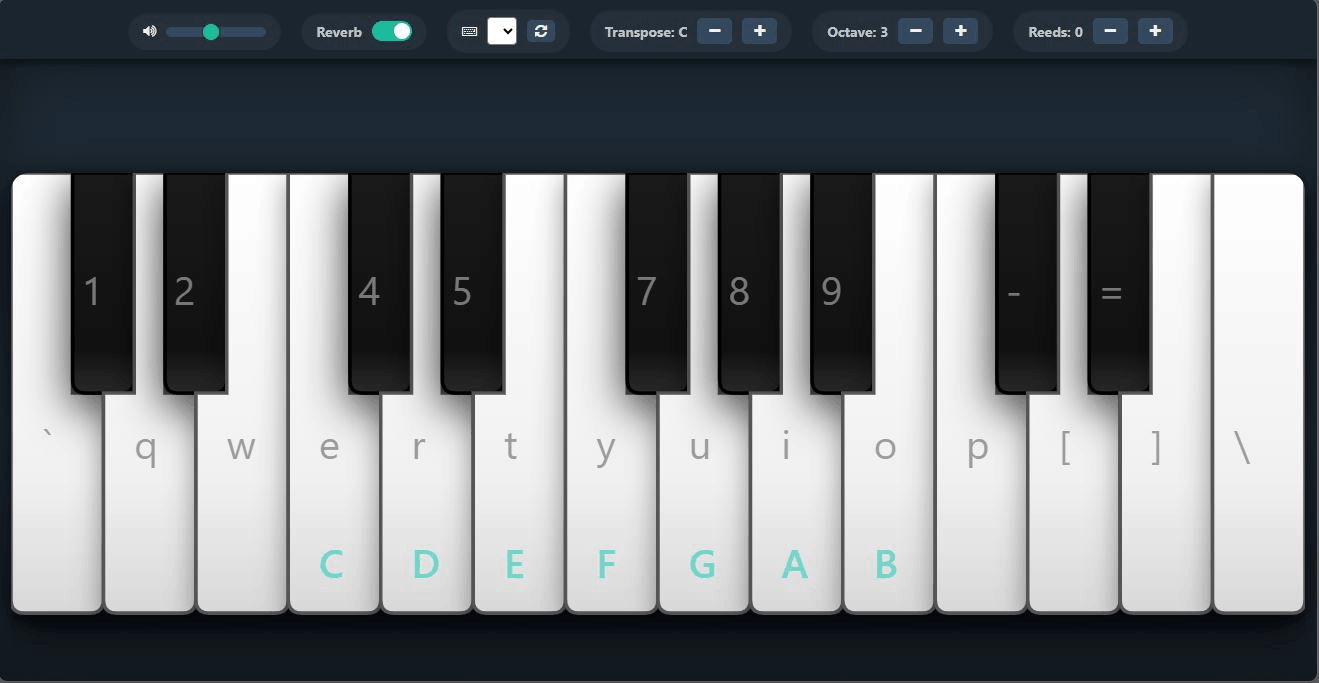
In Indian Classical Music, a bare note is rarely sung or played. Notes are almost always embellished with traditional decorations called **Alankars** and **Alapatis**. The three core pillars of vocal and instrumental embellishment are **Kan Swar** (grace notes), **Gamak** (rapid pitch pulsations), and **Meend** (slurred pitch glides). While the keyboard is naturally a discrete instrument, specific key techniques allow you to simulate these microtonal glides and ornaments beautifully.
Because a harmonium cannot physically bend pitch like a sitar or a flute, we must rely on temporal illusions. Playing extremely brief, adjacent intermediate notes creates the auditory illusion of a smooth, seamless slide or vocal pulsation.
1. Kan Swar (Grace Notes)
A **Kan Swar** is a microscopic, secondary note played immediately before or after the main target note. It is not meant to be held or given full time-value. It is simply a "touch" note that gives character to the main pitch.
Executing a Kan Swar (Grace Touch)
To play the main note Pa with a grace touch of Dha:
(2) Flick Dha rapidly, releasing it instantly while sinking fully into Pa.
(3) The entire transition should take less than 50 milliseconds!
Use Case: Absolutely essential when performing light classical forms like Ghazals, Thumris, and popular Bhajans to replicate vocal inflection.
2. Gamak (Rapid Pitch Pulsations)
**Gamak** is a distinct decoration where a note is pulsated rapidly with a heavy, oscillation-like force. In vocal music, it is created using the vocal cords. On a harmonium, we create this effect using **bellows pulsation** or **rapid key oscillation**.
Bellows-Driven Gamak
Hold down the desired melody keys (for example, Sa-Ga-Pa) and tap the bellows pump with short, rapid, elastic pulses of your wrist. This creates a rapid rise and fall in internal air pressure, giving the reeds a fluttering, organic vocal quality.
Key-Driven Gamak
For single-note gamaks, keep the bellows pressure steady and rapidly toggle between the main note and its adjacent lower half-step note in rapid succession:
Key-Oscillation Pattern
3. Simulating Meend (Pitch Glides)
**Meend** is a continuous, unbroken slide from one pitch to another. Since the harmonium has separate wooden keys, playing a true continuous slide is physically impossible. However, you can create a beautiful **chromatic auditory illusion** of Meend:
-
The Overlap Technique (Legatissimo)
When sliding from Sa to Ga, never release Sa before pressing the intermediate note Re. Always let the sound of the notes bleed into each other slightly to eliminate sharp boundaries.
-
Chromatic Half-Step Steps
If you are jumping a large interval (like Sa to Pa), do not jump directly. Play the intermediate notes (Re, Ga, Ma) as extremely rapid grace notes. This behaves like a ramp, tricking the listener's brain into hearing a glide.
-
Web Harmonium Glide Settings
If using the virtual interface, you can adjust the **Reverb & Release** slider. Higher release times keep the previous note sounding slightly longer, which naturally smooths out transitions between keys, simulating an air-driven slide.
Frequently Asked Questions
Can a virtual keyboard play microtonal Shrutis?
Traditional harmoniums are tuned to Equal Temperament or Just Intonation. However, the Web Harmonium digital app allows you to use microtonal detuning on individual reeds to explore pure ancient scale divisions.
Should beginners practice Gamak?
No, beginners should first focus on playing simple, clean, steady notes. Practicing rapid gamaks too early can lead to sloppy finger posture and uneven bellows pressure. Master the basic scale scales first!
How do I get clean Kan Swars on a touchscreen?
On mobile or tablet touchscreens, drag your finger rapidly from the edge of the grace note key onto the main key. This sweeping motion mimics the physical keyboard slip perfectly.