Last updated: September 2026
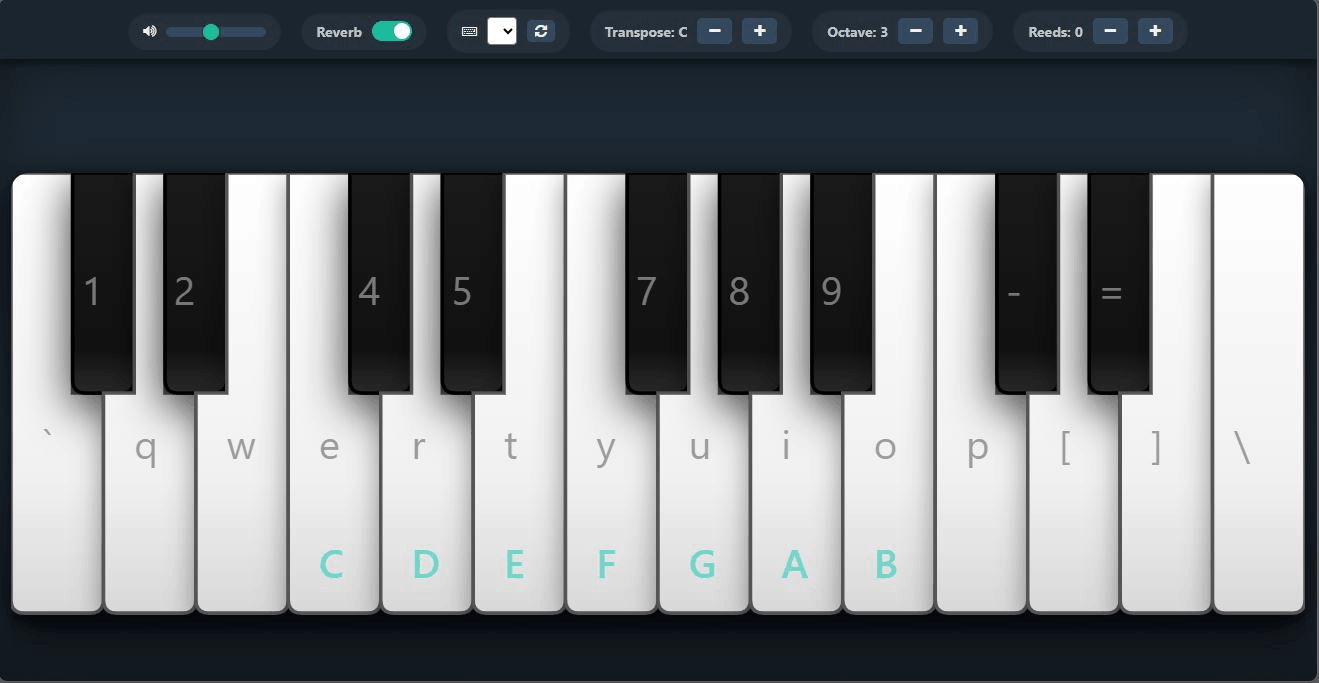
harmonium alankar is easiest when Sa is steady, swar names are correct, and practice is slow enough to hear. I am Happy Sinha, and when I built Web Harmonium, I wanted Indian classical learners to have a free, no-download harmonium they could use before class, after class, or while travelling. This guide is for singers, bhajan learners, raga beginners, and students who want practical steps with correct theory. You will learn how to apply the topic in daily riyaz, how it connects to sargam, thaat, and raga, and how features like Transpose, Octave shift, Reed control, and the Reverb toggle can support your practice. Sa and Pa are achal swar; Re, Ga, Dha, and Ni may be komal; only Ma can be tivra in the Bhatkhande system. You can follow along using Web Harmonium app — free, no download.
harmonium alankar works best when Sa is stable, swar names are correct, and practice stays slow enough to hear.
What is harmonium alankar and why does it matter?
Harmonium alankar is a repeated sargam pattern that trains pitch memory, finger movement, and rhythmic control. Alankar is to harmonium what scales and arpeggios are to piano, but Indian learners sing the swar names and connect them to raga thinking. A simple pattern like Sa Re Ga, Re Ga Ma, Ga Ma Pa teaches the hand to move without panic. When I built Web Harmonium, I noticed beginners often knew songs before they knew how to move between notes cleanly. Alankar fixes that foundation. Use the Web Harmonium app with a comfortable Transpose setting and clear Reed control.
Which 10 alankar practice harmonium patterns should beginners learn?
Start with these 10 patterns in shuddha swar: 1. Sa Re Ga Re Sa. 2. Sa Re Ga Ma Ga Re Sa. 3. Sa Ga Re Ga Ma Re. 4. Sa Re, Re Ga, Ga Ma, Ma Pa. 5. Sa Ga, Re Ma, Ga Pa, Ma Dha. 6. Sa Re Ga, Re Ga Ma, Ga Ma Pa. 7. Sa Ma Ga Re, Re Pa Ma Ga. 8. Sa Re Ga Ma, Re Ga Ma Pa. 9. Sa Pa, Re Dha, Ga Ni, Ma Sa. 10. Sa Ni Dha Pa Ma Ga Re Sa. Compared with random finger exercises, these patterns keep swar identity alive because you sing names while playing.
Try it now: Open Web Harmonium and practice Pattern 1 and Pattern 2 slowly in one octave before increasing speed. No download required.
How do harmonium finger exercises improve raga learning?
Harmonium finger exercises improve raga learning because they reduce the mechanical effort needed to reach notes. When your hand can move through Sa Re Ga Ma clearly, your mind has more room to notice raga grammar. Raga Bhupali removes Ma and Ni, so an alankar using Sa Re Ga Pa Dha Sa teaches skips. Raga Yaman uses tivra Ma, so you must hear the difference between shuddha Ma and tivra Ma. In the Bhatkhande system, thaat gives a parent scale, while raga gives characteristic movement. Web Harmonium lets you repeat these movements without setup.
How should you use Web Harmonium for alankar practice?
Use Web Harmonium for alankar practice by choosing one pattern, one speed, and one octave. Do not change everything at once. First play, then sing and play, then close your eyes and sing the pattern before touching the keys. The Reverb toggle can make practice pleasant, but turn it down if you need to hear mistakes clearly. Transpose is helpful for singers who want the same pattern in their own Sa. Compared with a printed alankar list, an interactive harmonium gives immediate sound feedback, which is what trains the ear.
Frequently asked questions
What is an alankar on harmonium?
Harmonium alankar is a repeated sargam pattern used to train fingers, pitch memory, and rhythm. Beginners should play slowly, sing swar names, and repeat in one octave.
How should I practice alankars on harmonium?
Good alankar practice on harmonium includes patterns such as Sa Re Ga Re Sa, Sa Re Ga Ma Ga Re Sa, and Sa Re Ga, Re Ga Ma, Ga Ma Pa.
Which finger exercises work best on harmonium?
Harmonium finger exercises are structured movements across swar positions. They improve coordination and prepare the hand for songs, bhajans, and ragas.
How many alankars should I practice daily?
Practice two or three alankars daily instead of rushing through many. Repeat each slowly, sing the notes, and check evenness before increasing speed.
Can I practice alankars on an online harmonium?
Yes. Web Harmonium lets you practice alankar online with keyboard, mouse, transpose, octave shift, reed control, and reverb. It is useful for daily repetition.