Last updated: September 2026
I own two physical harmoniums and I built a digital harmonium that lives in my browser — so the physical vs digital harmonium question is one I answer with my hands, not with a spec sheet. The wooden box breathes, weighs around ten kilos, and goes out of tune in monsoon. The browser version weighs nothing, never needs tuning, and can't teach your fingers what a bellows resists like. Neither wins outright; each wins specific rounds. Here are the nine differences that actually decide it, written the way I'd explain to a student sitting next to me.
Start digital — a free online harmonium teaches notes, sargam, and ear with zero cost and zero risk. Buy physical when bellows control, stage volume, and acoustic warmth become the goal, usually after a few months of steady practice. Most serious players end up using both.
1. Bellows and breath — the difference you feel first
A physical harmonium is a wind instrument wearing a keyboard's clothes. Every note you play, you paid for with an arm stroke, and the air pressure shapes the sound: push harder and the tone swells, starve it and the pitch sags. This is why bellows technique is a whole skill on wood and brass, and simply absent in the digital version. The digital harmonium gives you sustain and volume controls instead — easier, but you never develop the breath connection that classical players prize.
2. Touch and key resistance
Real harmonium keys are light but not weightless — there's a soft mechanical click, and the finger learns to land cleanly. Computer keys and touchscreens feel different under the finger; there's no way around it. What the digital version offers in return is speed: no stuck keys, no sticky reeds, no swollen monsoon action. My honest take after years of both: technique transfers better than people fear, but the first week back on a physical box always feels like meeting an old friend who's aged.
3. Sound character
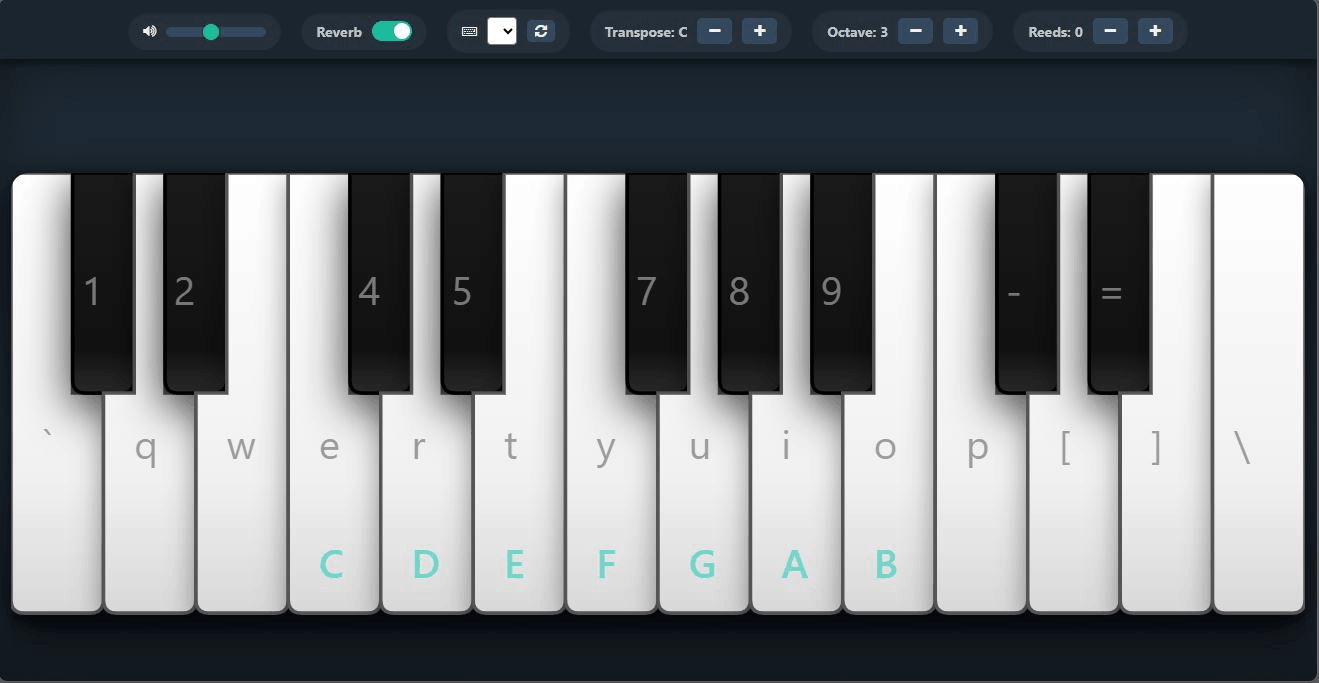
A well-made physical harmonium has air in its sound — the drone of leaking reeds, the buzz of a hand-fitted fit, small imperfections that ears hear as warmth. Digital harmoniums use sampled or synthesized tone: clean, consistent, identical every time. Good samples (like the ones in Web Harmonium) get remarkably close. What digital adds is something physical cannot: reverb, perfect tuning in any season, and a scale-changer that never sticks.
4. Cost
A decent beginner physical harmonium in India runs roughly ₹8,000–₹25,000, and quality doubles from there; folding models and scale-changers push higher. The digital path costs nothing at the start — a browser instrument is free — and even the paid end (a MIDI keyboard, a sampled VST) stays under the price of the cheapest playable physical box. If budget is the constraint, this round isn't close.
5. Maintenance and tuning
Physical harmoniums need care: reed cleaning, bellows leather that ages, and tuning that drifts with humidity — especially in Indian summers and monsoons. A digital harmonium's maintenance is a browser update. If you live somewhere dusty or humid, or you simply don't want to think about instruments as machinery, this difference quietly decides everything.
6. Portability
The folding harmonium was invented because the standard one is a luggage event. Digital wins by default: your harmonium is wherever your phone or laptop is. Train journeys, hostel rooms, office breaks — the practice doesn't stop when you travel. This is the single biggest reason students keep riyaz alive longer on digital.
7. Volume and neighbours
A physical harmonium at full bellow in a small flat is a neighbourhood event. Digital practice on headphones is invisible to everyone — which means more practice slots in a shared home, and more practice is the only practice hack that has never once failed me.
8. Recording and performance
Digital wins recording outright: the sound is already in the computer, no microphone, no room noise. Physical wins live performance: no speakers to fail, no laptop battery anxiety, and the audience-visible instrument carries a stage presence no tab can fake. Kirtan mandalis still carry the wooden box for good reason.
9. Learning curve
Both teach the same note layout — that's the beautiful part. Sargam, alankars, and swar memory transfer between them almost fully. What transfers late is bellows control and touch. So the honest sequence most players follow: learn the notes digitally, then add the physical box when those skills need a home. My practice-without-owning-one guide covers exactly how long you can wait.
So, physical or digital harmonium?
If you're a beginner, a singer who wants pitch support, or someone testing interest before spending — digital first, physical later. If you're performing, teaching a live class, or you already know you love the instrument — physical, with digital as your travel and practice companion. The two aren't rivals in practice; they're different rooms of the same house.
Feel the difference today: open Web Harmonium free in your browser, play a full Sa Re Ga Ma Pa, and you'll know within minutes whether the digital harmonium carries your practice — before a single rupee is spent.
Frequently asked questions
Is a digital harmonium good for beginners?
Yes — arguably better, because notes, sargam, and ear training transfer fully to the physical instrument later, while costing nothing and risking nothing. Bellows technique is the one skill digital can't teach, and that's learnable in weeks once you get a real box.
Does digital harmonium practice ruin my physical technique?
No. Note layout, fingering, and listening skills transfer directly. The only habits worth watching are bellows pressure and heavy key strikes — both correct within a week or two of physical practice.
How much does a physical harmonium cost compared to digital?
A playable beginner physical harmonium in India costs roughly ₹8,000–₹25,000, with professional models climbing much higher. A quality online harmonium is free — Web Harmonium needs no purchase at all, and even a MIDI keyboard costs less than the cheapest physical box.
Which sounds better, physical or digital harmonium?
A well-maintained physical harmonium has a warm, airy character that recordings chase; a good digital harmonium has clean, always-in-tune consistency with reverb. For solo practice and recording, most listeners can barely tell; on stage, the acoustic presence of the real box still wins.
Can a digital harmonium go out of tune?
Effectively no — sampled pitch is fixed at A=440 or any transpose you set, in any weather. Physical harmoniums drift with humidity and need periodic tuning, which is a real ongoing cost in monsoon-heavy regions.
Should I buy a harmonium or start with the app?
Start with the app for two or three months of daily practice — if the habit survives, the purchase is safe. If interest fades, you've lost nothing. The buying guide takes over from there.