Last updated: September 2026
A playable new harmonium costs roughly ₹6,000–₹14,000 (about $80–$180) at the student level, ₹14,000–₹28,000 ($180–$350) for a solid mid-range double-reed instrument, and ₹28,000–₹60,000+ ($350–$750+) for professional triple-reed or scale-changer models. Price buys better reeds, more stable tuning, quieter bellows, and richer tone — not more notes. This guide explains where the money goes and exactly what to check before buying.
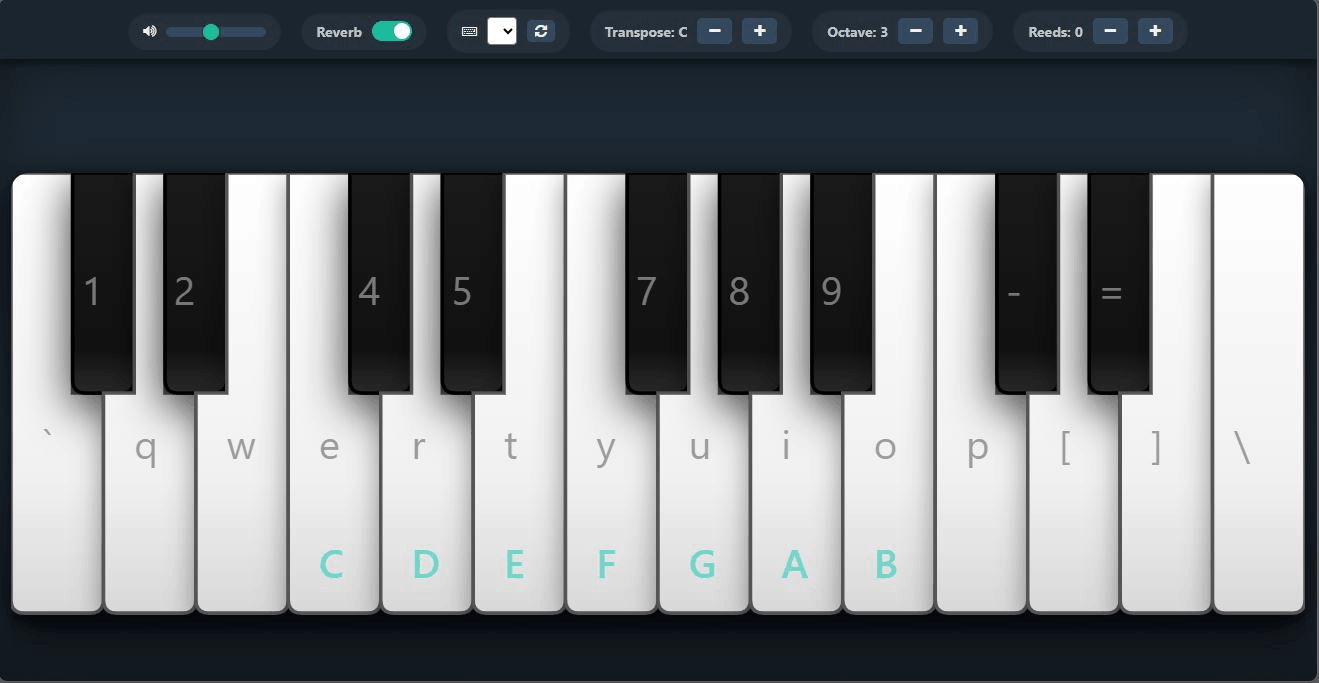
Buy the best reeds and bellows you can afford and skip premium features you will not use yet. A well-made double-reed student harmonium serves most singers for years. Learn the key layout free on Web Harmonium first, so you can actually test instruments in the shop.
How much does a harmonium cost?
| Tier | Typical price | What you get | Best for |
|---|---|---|---|
| Student / entry | ₹6,000–₹14,000 ($80–$180) | 2.5–3 octaves, single or double reed, basic wood | First instrument, bhajan at home |
| Mid-range | ₹14,000–₹28,000 ($180–$350) | 3–3.5 octaves, double reed (bass + male), coupler, better seasoning | Serious learners, kirtan groups |
| Professional | ₹28,000–₹60,000+ ($350–$750+) | Triple reed, scale changer option, premium seasoned teak, concert tone | Performers, teachers, studios |
Outside India expect to pay noticeably more for the same instrument once shipping and import margins are added — a mid-range Indian harmonium often retails at $400–$700 in the US or Europe.
What actually improves as the price goes up?
Reeds: better brass, more careful tuning, and additional reed banks. A double-reed (bass + male) instrument sounds noticeably fuller than single-reed; triple-reed adds a female bank for concert brightness. Bellows: premium instruments hold air longer and pump silently. Wood: seasoned teak resists warping through humid summers and dry winters — important for tuning stability, as our tuning & care guide explains. Mechanisms: couplers and scale changers add convenience and cost; see types of harmonium for what each one does.
What should I check before buying a harmonium?
- Air leaks: pump fully, press nothing, and listen — a healthy instrument stays almost silent and holds pressure for several seconds.
- Every key: play all of them slowly. Each note should speak instantly, at the same volume, and stop cleanly when released — no sticking, buzzing, or wheezing.
- Tuning: play octave pairs (Sa and Sa') and the Sa–Pa interval across the range; beats or roughness mean reed work is needed.
- Drone stops: open each drone and confirm it matches the corresponding key's pitch.
- Bellows feel: pumping should be smooth and quiet, with no clacks or resistance changes.
- Body: check for cracks, loose joints, and a keyboard lid that closes square — a skewed lid often means warped wood.
Smart shopper trick: learn sargam and the key layout on Web Harmonium before visiting the shop. If you can play Sa Re Ga Ma and a simple bhajan line, you can genuinely test an instrument instead of judging it by looks.
Should I buy new or second-hand?
A well-kept used harmonium from a reputable repairer can be excellent value — reeds mellow nicely with age. But used instruments bought unseen are risky: reed rust, bellows leaks, and warped keyboards are expensive to fix. If buying used, apply the checklist above twice as carefully, and prefer sellers who service instruments themselves.
Which brands and workshops are respected?
Kolkata and Mumbai have long harmonium-making traditions. Names buyers commonly shortlist include Dwarkin, Pakrashi, Paul & Co., Monoj Kumar Sardar, and Bina (Delhi), plus Haribhau Vishwanath in Mumbai. Model quality varies within every brand, so judge the individual instrument with the checklist rather than the label alone.
Frequently asked questions
How much does a good beginner harmonium cost?
A dependable new student harmonium costs about ₹6,000–₹14,000 in India (roughly $80–$180). Outside India, the same class of instrument typically sells for $250–$450 after import costs.
What is the difference between single, double, and triple reed harmoniums?
Each key can drive one, two, or three reeds in different octave banks (bass, male, female). More reed banks give a fuller, louder tone. Double reed is the sweet spot for most learners; triple reed suits performers.
Is a scale changer harmonium worth it for beginners?
Usually not. A scale changer mechanically slides the keyboard to transpose, but it adds weight, cost, and maintenance. Beginners can transpose by learning different Sa positions — or practice transposition free on Web Harmonium.
How do I check a harmonium for air leaks?
Pump the bellows fully without pressing any key. The instrument should stay nearly silent and hold pressure for several seconds. A steady hiss or fast pressure loss means leaking gaskets or valves.
Can I learn harmonium before buying one?
Yes. Web Harmonium runs free in your browser with the same key layout as a real harmonium, so you can learn sargam, finger placement, and simple songs first — then test shop instruments with real playing.
Do harmoniums need regular tuning?
Far less than pianos. Good reeds hold pitch for years, but humidity swings and heavy use eventually need a reed tuner. Budget an occasional professional service rather than a fixed schedule.