Last updated: September 2026
The free vs paid harmonium apps question has a boring true answer and a useful one. The boring truth: a good free app covers 90% of what a learner needs. The useful part is knowing which 10% sometimes justifies money — and, just as important, which paid promises are repackaged basics. I've spent real rupees on both sides so you can spend fewer, and this guide is the receipt: what free genuinely gives you, the two situations where paying is rational, price anchors in ₹, and the red flags I've learned to walk away from.
For learning, practice, and accompaniment, a free online harmonium is not a trial version — it's the finished product. Pay only when you need studio-grade sampled sound for recordings (a harmonium VST, roughly ₹2,500–₹6,500 one-time) or professional lehra/tabla libraries. Never pay a recurring subscription just to unlock keys, transpose, or your own practice.
What a good free harmonium app actually gives you
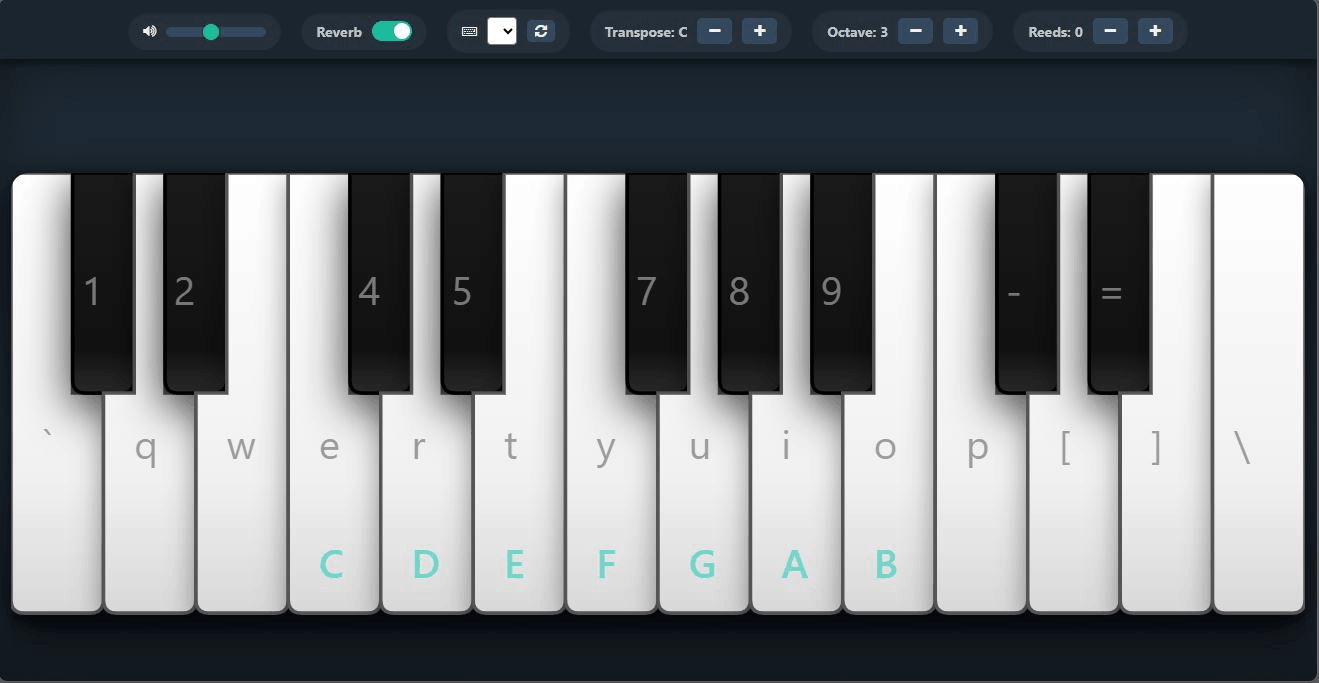
When people say "free app," they often picture a crippled demo. A genuinely free, quality online harmonium — Web Harmonium being the one I can vouch for from the inside — delivers real sampled harmonium sound, full multi-octave keys, transpose, octave shift, reed combinations, reverb, multi-touch chords, and MIDI keyboard input. That is the complete practice toolkit, not a preview. Free drones and tabla loops (see the online riyaz setup) complete the picture, so an entire daily practice costs nothing.
Where paid apps genuinely earn their price
- Studio recording — the harmonium VST. If you produce bhajans or film-style tracks in a DAW, multisampled libraries like SwarPlug give you deep articulation control, mixing, and editing that a browser instrument can't match. Expect roughly ₹2,500–₹6,500 one-time for a quality harmonium sample library. This is the single most defensible purchase in the space.
- Professional accompaniment libraries. Lehra players and kirtan performers sometimes buy curated lehra/tabla libraries with clean recordings at exact tempos and taans. Roughly ₹500–₹2,000, reasonable if you perform regularly. Free loops cover practice; curated libraries cover stage polish.
- The honesty clause: structured courses are a different product — paying a teacher is buying accountability, not sound. That's a decision about your discipline, not about apps.
What you should never pay for
Basics. If a free tier locks transpose behind a subscription, it's holding your own voice's key hostage — transpose is a setting, not a feature. Same for octave shift, sustain, or saving your settings. A mobile app I once tested charged a monthly fee to remove a two-second ad between alankars; that's not a product, it's a toll booth on your own practice. My web vs mobile comparison explains why this business model is endemic to free mobile apps specifically.
Free vs paid harmonium apps at a glance
| Option | Typical price | Best for | Honest limit |
|---|---|---|---|
| Quality free web harmonium (Web Harmonium) | ₹0 | Learning, daily riyaz, trying the instrument, MIDI play | Not a studio sampler; needs a browser or PWA install |
| Free mobile harmonium apps | ₹0 (ads) | Casual playing, travel, showing friends a tune | Ads mid-phrase; cramped keys; features often paywalled |
| Paid mobile "pro" unlock | ₹300–₹1,000 one-time or ₹100–₹300/month | Removing ads if a specific app is genuinely better | Usually unlocks basics that web apps give free |
| Harmonium VST / sample library | ₹2,500–₹6,500 one-time | Studio recordings in a DAW | Needs a DAW and some production knowledge |
| Lehra / tabla libraries | ₹500–₹2,000 | Regular performers wanting polished accompaniment | Free loops already cover practice needs |
A simple decision rule
Practice for three months on free tools first. If the habit survives and you're still practicing without owning an instrument, my practice-without-owning-one guide holds longer than you'd think. Then the money question becomes concrete: do you record? Buy the VST. Do you perform? Consider the lehra library. Do you just play? Stay free — and consider putting the saved subscription money toward a physical harmonium, where rupees buy something with bellows. The buying guide starts from ₹8,000 or so.
Before you pay anyone: play one full song on Web Harmonium — free, no card, no signup. If it covers your practice, you've just saved the subscription; if it doesn't, you'll know exactly which missing feature you're paying for.
Frequently asked questions
Are free harmonium apps good enough to learn on?
Yes — a quality free web harmonium provides real sampled sound, full keys, transpose, and MIDI support, which covers notes, sargam, alankars, and song practice completely. The paid tier only becomes relevant for studio recording or professional accompaniment libraries.
What is worth paying for in a harmonium app?
Two things: a multisampled harmonium VST for studio recording (roughly ₹2,500–₹6,500 one-time) and professional lehra or tabla libraries for regular performance (roughly ₹500–₹2,000). Both are one-time purchases with real, tangible upgrades over free tools.
Should I pay monthly for a harmonium app?
Rarely. Subscriptions make sense for continuously updated services, not for pressing keys — avoid any app that charges monthly to unlock basics like transpose, octave shift, or saving settings. If you like a paid app that much, prefer a one-time lifetime unlock.
What's the catch with free harmonium apps?
On mobile, the catch is usually ads interrupting practice and features locked behind upgrades. On the web, quality free harmoniums like Web Harmonium are genuinely ad-free and open-source — the catch there is simply that you need a browser and that it isn't a studio-grade sampler.
How much does a real harmonium cost compared to apps?
A playable beginner physical harmonium in India starts around ₹8,000–₹25,000, while quality online harmoniums cost nothing. If you're deciding between the two, start free for a few months; the apps will tell you whether the physical instrument is worth the money — and they usually are, once the habit is real.
Is a paid harmonium app better sound quality than a free web app?
Marginal at best on mobile — both play similar sampled harmonium tones. The real sound upgrade is a studio VST inside a DAW for recordings. For practice through earphones, you will not hear a difference that justifies most paid unlocks.