Last updated: September 2026
Every serious singer I know does riyaz the same way: tanpura droning, tabla rolling, harmonium under the fingers, voice on top. Traditional thinking says you need a room, three instruments, and a patient family. You don't — not anymore. A laptop, wired earphones, and three browser tabs get you a complete online riyaz setup for exactly zero rupees. I practice this way most weekday mornings, and this guide is the setup I wish someone had handed me: the three pillars, the gear list, and the 30-minute routine that made daily practice survive my schedule.
An online riyaz needs three pillars: a drone (tanpura or shruti) to anchor Sa, a playable harmonium for sur and finger work, and a taal loop (tabla/lehra) for rhythm. Add wired earphones and a stable chair, run the 30-minute routine below, and your browser becomes a practice room.
The three pillars of riyaz
| Pillar | What it does for your practice | Online source |
|---|---|---|
| Tanpura / shruti drone | Holds Sa-Pa reference; trains your ear to hear deviation instantly | Browser tanpura apps, drone MP3s, or a sustained harmonium note |
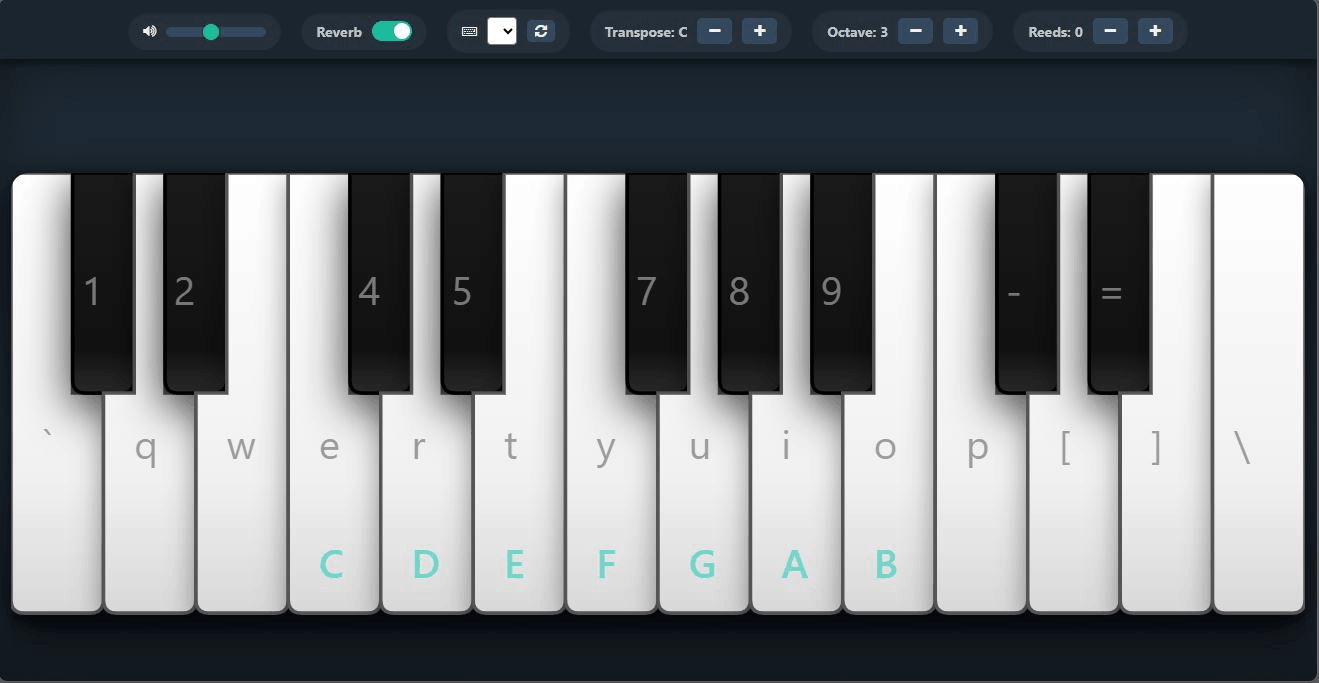
| Harmonium | Check your sur note-by-note; build finger memory for accompaniment | Web Harmonium — free, sampled, transposable |
| Tabla / lehra loop | Keeps taal honest; prevents the tempo drift every solo practice hides | Browser tabla loops at fixed BPM, lehra apps, downloaded theka loops |
Gear that actually matters (and gear that doesn't)
Wired earphones or headphones — non-negotiable. Bluetooth adds a lag that quietly ruins rhythm work on any instrument, online or not. A laptop or desktop beats a phone for the harmonium pillar: bigger keys, as I detail in the web app vs mobile app comparison. A second cheap device (old phone, tablet) for the drone is a luxury that helps, because it frees your main screen. What doesn't matter: expensive audio interfaces, studio monitors, paid subscriptions — none of it moves your sur one inch.
Set it up in five steps
- Find your Sa first. Match the drone to your voice using my find-your-Sa guide — male voices often settle near C#–D, female near G–A#. Transpose the harmonium to the same note. Getting this wrong makes every later step fight you.
- Open the drone and let it settle. Start the tanpura loop and just listen for a minute. This isn't wasted time; it's how the ear calibrates.
- Add the tabla loop at a modest tempo. Choose a slow teentaal (60–80 BPM) to begin. Speed comes free later; steadiness does not.
- Open Web Harmonium in the third tab. Set transpose to your Sa, reeds and reverb to taste, and keep it ready beside the drone tab.
- Silence everything else. Phone face down, notifications off, single browser window. Riyaz is a focus practice before it's a music practice.
The 30-minute daily routine I actually use
- Minutes 0–5 — drone and breath. Long Sa-Pa sargam with the tanpura only. No harmonium yet. Listen more than you sing.
- Minutes 5–15 — alankars with harmonium. Basic Sargam patterns up and down, checking each note against the drone. Slow enough that you never sing a wrong note twice.
- Minutes 15–25 — raga or song work with tabla. Whatever piece you're learning, now over the theka. One phrase at a time, then joined.
- Minutes 25–30 — free play. Play or sing anything you enjoy — a bhajan, film song, improvisation. Ending on joy is the only retention trick that has never failed me.
If you want the expanded version with weekly goals and checkpoints, my full daily riyaz routine guide has it.
Common setup mistakes (I've made all of them)
- Skipping the drone. Practicing without a Sa reference feels productive and trains nothing — the drone is the teacher.
- Drone and harmonium in different keys. Two references disagreeing is worse than none; transpose them to match.
- Starting tabla too fast. Tempo is a reward, not a starting point. 70 BPM clean beats 120 BPM sloppy every week of the year.
- Bluetooth earphones. The lag turns crisp taans into mud. Keep the wire for riyaz.
- Marathon sessions, then nothing for days. Thirty minutes daily builds a musician; three hours on Sunday builds a memory of trying.
Build it right now: open Web Harmonium, start any tanpura drone in the next tab, and sing five minutes of Sa Re Ga Ma against them. That's it — your online riyaz setup exists, and it cost you nothing.
Frequently asked questions
What do I need for an online riyaz setup?
Three things: a tanpura or shruti drone for the Sa reference, a playable online harmonium for sur practice, and a tabla or lehra loop for taal. Add wired earphones and a laptop or desktop, and the entire setup is free using browser tools.
Can I get tanpura and tabla online for free?
Yes — browser tanpura drones, tabla loop sites, and downloadable theka loops cover both pillars at no cost. Paid apps add convenience like pitch memory and tempo chaining, but the free versions carry a complete daily practice comfortably.
Is online riyaz good enough compared to practicing with real instruments?
For ear training, sur development, and daily consistency — genuinely yes, because the drone never goes out of tune and the tabla never gets tired. The physical harmonium's bellows feel is the one dimension online practice can't give, which is why I suggest adding a real instrument once the habit sticks.
Should the tanpura and harmonium be in the same key?
Always. Set the drone to your chosen Sa, then transpose the online harmonium to the same note. Two references in different keys confuse your ear within seconds and undo the whole point of the drone.
How long should daily online riyaz be?
Thirty focused minutes daily beats two hours weekly — consistency builds the ear faster than duration. The 30-minute routine in this guide covers drone work, alankars, raga practice, and free play, and it's deliberately short enough to survive a working day.
Do I need Bluetooth earphones for online riyaz?
Prefer wired — Bluetooth latency delays what you hear relative to what you sing, which damages rhythm practice. If you must go wireless, sing slightly ahead and check yourself against recordings later, but treat wired earphones as the default for serious work.