Last updated: September 2026
Kirtan is call-and-response chanting, and the harmonium is its universal engine: it holds the drone that keeps everyone in tune, carries the melody the group answers, and sustains underneath voices the way no guitar or piano can. From Sikh shabad kirtan and ISKCON bhajan halls to yoga studios in New York and Berlin, the technique is the same — and it is beginner-friendly, because kirtan melodies are deliberately simple so a crowd can sing them back.
Kirtan harmonium is 80% steadiness, 20% notes: hold a drone on Sa (and Pa), keep a relaxed pulse, and lead short three-to-five-note phrases the group can echo. Start in C or D so mixed voices can join.
Why is the harmonium the kirtan instrument?
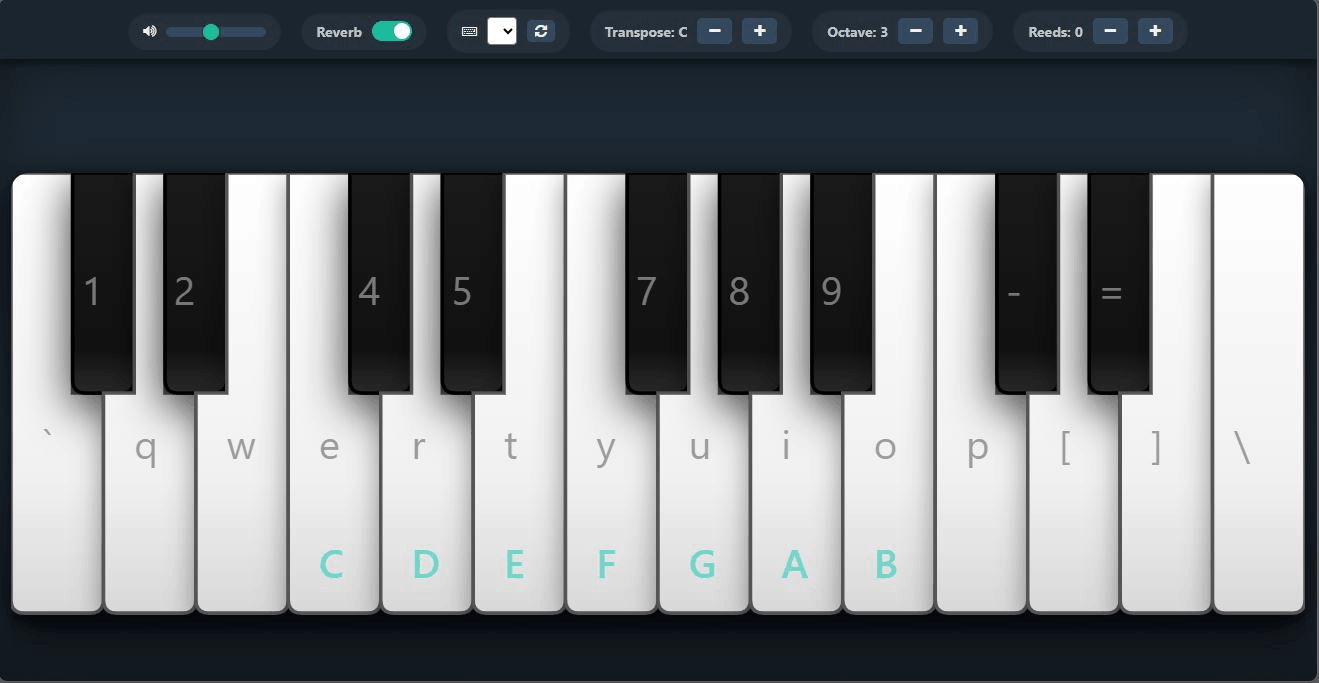
Three reasons. It sustains, so the sound never drops out between phrases. It drones, giving singers a constant Sa to return to. And it lets the leader sing and play at once — one hand pumps, one hand plays, the voice leads. Electronic keyboards can imitate this, but the breathing quality of reed and air is why chant leaders still carry harmoniums; you can practice every technique below on the free Web Harmonium in your browser.
How do I set up a drone for chanting?
- Choose the group's Sa. For mixed groups, C or D works; women-led circles often prefer F or G. Set it once with Transpose (method in find your Sa).
- Hold Sa continuously with one finger — this is already a drone. Add Pa (the fifth) with another finger for the classic open sound.
- Keep air moving gently. On a physical instrument this is slow, even pumping; on Web Harmonium the tone sustains while keys are held, so focus on steady hands.
- Chant on top. Om chanting, gayatri recitation, and japa all sit beautifully over a bare Sa–Pa drone — no melody required.
A simple kirtan melody pattern to start with
Kirtan tunes vary from lineage to lineage — every community sings its own versions, and improvising is part of the tradition. What stays constant is the shape: a short rising call, an answering fall back to Sa. Here is one simple practice melody in that classic shape, using the Hare Krishna maha-mantra syllables (treat it as a learning pattern, not "the" tune):
| Call / response line | Practice sargam |
|---|---|
| Hare Krishna Hare Krishna | Sa Sa Re Re Ga Ga Re Re |
| Krishna Krishna Hare Hare | Ga Ga Ma Ma Ga Ga Re Re |
| Hare Rama Hare Rama | Sa Sa Re Re Ga Ga Re Re |
| Rama Rama Hare Hare | Ga Ga Re Re Sa Sa Sa – |
Play the line, sing it, then imagine the room echoing it back while you hold Sa. When this feels easy, vary one note per line — that is genuinely how kirtan leaders develop their melodies. The same phrase shapes power the bhajans in our bhajan sargam guide.
How do I lead call-and-response?
Sing the call while playing it; during the response, drop to the drone (or repeat the melody quietly underneath the group). Keep cycles short — 8 or 16 beats — and resist speeding up as energy rises; raise intensity with bellows pressure and octave (use Octave shift or play the phrase one octave up) instead of tempo. The techniques in accompanying singers apply directly.
A 20-minute daily chant practice
- 5 min: drone on Sa–Pa, chant Om, settle the breath.
- 5 min: the practice melody above, played and sung together, slowly.
- 5 min: alternate call (played + sung) and response (drone only) as if leading.
- 5 min: free chanting on any mantra over the drone, letting the melody vary.
Frequently asked questions
Is harmonium good for kirtan and mantra chanting?
It is the standard instrument for it. The harmonium sustains under voices, provides a constant drone for tuning, and lets one person pump, play, and sing simultaneously — which is why kirtan traditions worldwide use it.
What scale should I use for group kirtan?
C or D suits most mixed groups; F or G sits better for many female-led circles. Set the tonic once with the Transpose control and keep it for the whole session so voices settle.
Do I need to know ragas to play kirtan harmonium?
No. Kirtan melodies typically use three to five notes in simple shapes. Raga knowledge deepens your playing later, but steady drones and short repeatable phrases are enough to lead a session.
How do I play a drone for chanting?
Hold Sa continuously, optionally adding Pa (the fifth) above it, while keeping gentle air flow. Chant or sing over this sustained base — that alone supports Om chanting and japa beautifully.
Can I learn kirtan harmonium online for free?
Yes. Web Harmonium gives you a sampled harmonium in the browser with transpose, octave, reeds, and reverb — everything needed to practice drones, chant melodies, and call-and-response before owning an instrument.
Why do kirtan melodies differ between communities?
Kirtan is a living oral tradition: each lineage, temple, and leader shapes tunes over time, and gentle improvisation is expected. Learn any version as a skeleton, then let your community's way of singing guide the details.