Last updated: September 2026
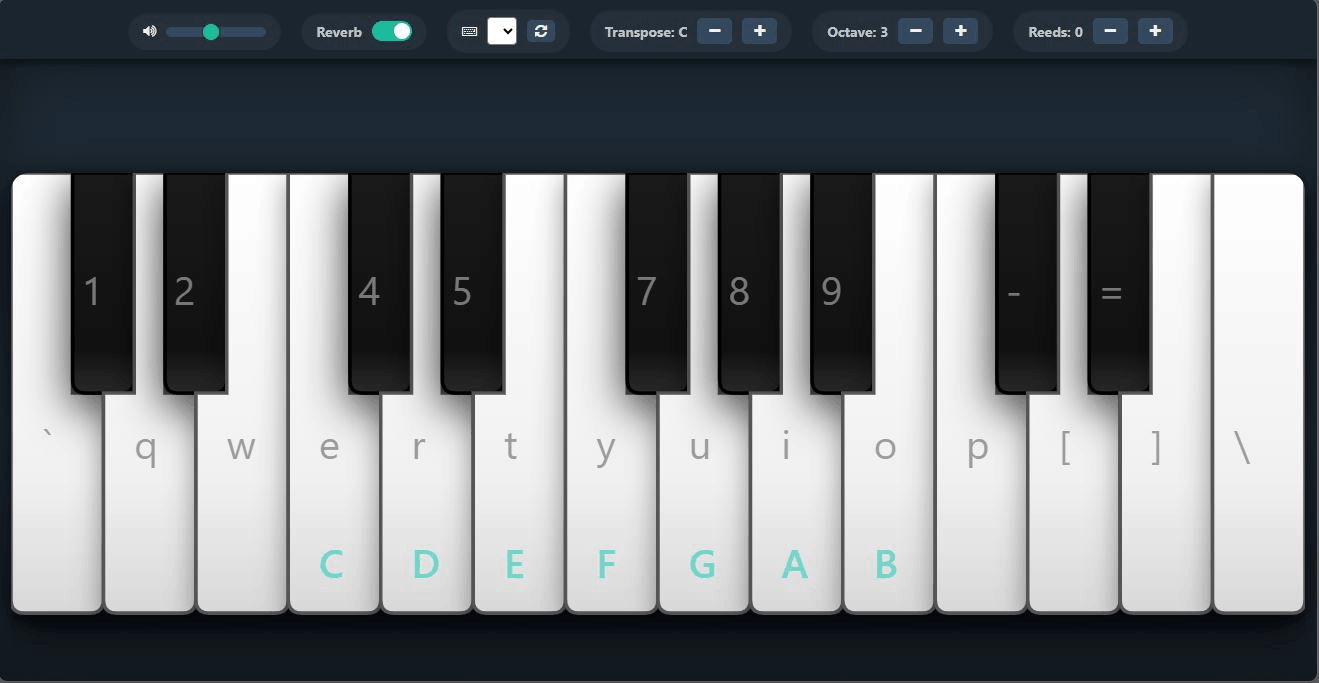
how to find sa on harmonium is easiest when Sa is steady, swar names are correct, and practice is slow enough to hear. I am Happy Sinha, and when I built Web Harmonium, I wanted Indian classical learners to have a free, no-download harmonium they could use before class, after class, or while travelling. This guide is for singers, bhajan learners, raga beginners, and students who want practical steps with correct theory. You will learn how to apply the topic in daily riyaz, how it connects to sargam, thaat, and raga, and how features like Transpose, Octave shift, Reed control, and the Reverb toggle can support your practice. Sa and Pa are achal swar; Re, Ga, Dha, and Ni may be komal; only Ma can be tivra in the Bhatkhande system. You can follow along using Web Harmonium app — free, no download.
how to find sa on harmonium works best when Sa is stable, swar names are correct, and practice stays slow enough to hear.
How to find Sa on harmonium for your natural voice?
To find Sa on harmonium, choose a note you can sing comfortably as your home pitch and test whether you can sing from lower Pa to upper Pa without strain. Sa is not always C; in Indian classical practice it is your tonic. When I built Web Harmonium, I saw many learners assume the printed keyboard note must be their Sa, but Hindustani music is movable. Sargam is like a compass: Sa is north, and Re Ga Ma Pa Dha Ni take meaning from that center. Open Web Harmonium and play one note at a time, then hum along. If your throat tightens before upper Sa, move Sa lower. If the lower notes disappear, move Sa higher. This is useful for bhajan singers, khayal beginners, and anyone doing daily riyaz.
Which scale for harmonium is best for male and female singers?
The best scale for harmonium depends on your voice, not gender alone. Many male singers are comfortable around C, C sharp, D, or D sharp as Sa, while many female singers may use F, F sharp, G, or A, but these are only common starting points. Your teacher, range, and repertoire matter more. Compared with Western fixed-key thinking, Indian classical scale selection is personal and tonic-based. Web Harmonium makes this easier because the Transpose control lets you keep the same fingering while hearing a different tonic. Try singing Sa Re Ga Ma Pa Dha Ni Sa and back down in each setting. If the middle notes feel warm and the upper Sa is reachable without pushing, you are close.
Try it now: Open Web Harmonium and practice holding different Sa positions and using Transpose until your voice feels relaxed. No download required.
How does harmonium transpose for voice work in Web Harmonium?
Harmonium transpose for voice means shifting the sounding pitch while keeping your playing pattern manageable. On a physical harmonium, you may move your fingers to a different key for a new Sa. In Web Harmonium, Transpose helps you test that change quickly. The important theory remains the same: Sa and Pa are achal swar, while Re, Ga, Dha, and Ni may be komal, and Ma may be tivra. If you sing Raga Yaman, your Ma is tivra relative to your chosen Sa, no matter which absolute pitch you choose. Transpose is like changing the frame around a painting; the relationships inside the raga stay intact. The Web Harmonium app is especially helpful before lessons because you can arrive with a clearer idea of your vocal range.
How can beginners check if their Sa is correct during riyaz?
A correct Sa feels stable, repeatable, and calm. Begin with a sustained harmonium Sa, sing it softly, then touch Pa and return to Sa. Because Sa and Pa are fixed pillars in most ragas, the ear should feel a clean landing when you return. If every phrase feels high, your Sa is probably too high. If your voice sounds dull and unsupported, it may be too low. Web Harmonium gives you Reverb and Reed control, but keep effects modest while testing pitch; a dry tone reveals intonation more honestly. For more first steps, use the harmonium beginner's guide on Web Harmonium, then build a short daily routine around your chosen Sa.
Frequently asked questions
How do I find my Sa on harmonium for singing?
Play one note, hum it comfortably, then test whether you can sing down to lower Pa and up to upper Pa. If the top feels strained, lower Sa. If the bottom disappears, raise Sa. Web Harmonium makes this test quick with Transpose.
How does harmonium transpose help match my voice?
Harmonium transpose for voice means changing the tonic pitch so the same melody fits your vocal range. In Web Harmonium, Transpose lets you test several keys quickly while keeping swar relationships such as Sa Re Ga Ma Pa intact.
Which harmonium scale is best for beginners?
The best beginner scale is the one where your middle Sa feels relaxed and upper Sa is reachable. Many learners start around C to F sharp depending on voice, but personal comfort and teacher guidance matter more than a fixed rule.
Is Sa fixed on the harmonium?
Sa is not fixed in Indian classical practice. Any pitch can become Sa if you set it as your tonic. The harmonium has fixed physical keys, but sargam is movable, so Re, Ga, Ma, Pa, Dha, and Ni relate to your chosen Sa.
How do I match a harmonium with my voice online?
Open Web Harmonium, play a possible Sa, sing along, and use Transpose until your range feels comfortable. Check both lower and upper phrases. Avoid choosing a Sa based only on song videos, because another singer may use a different tonic.